Live Support
 Did you see us on the news?
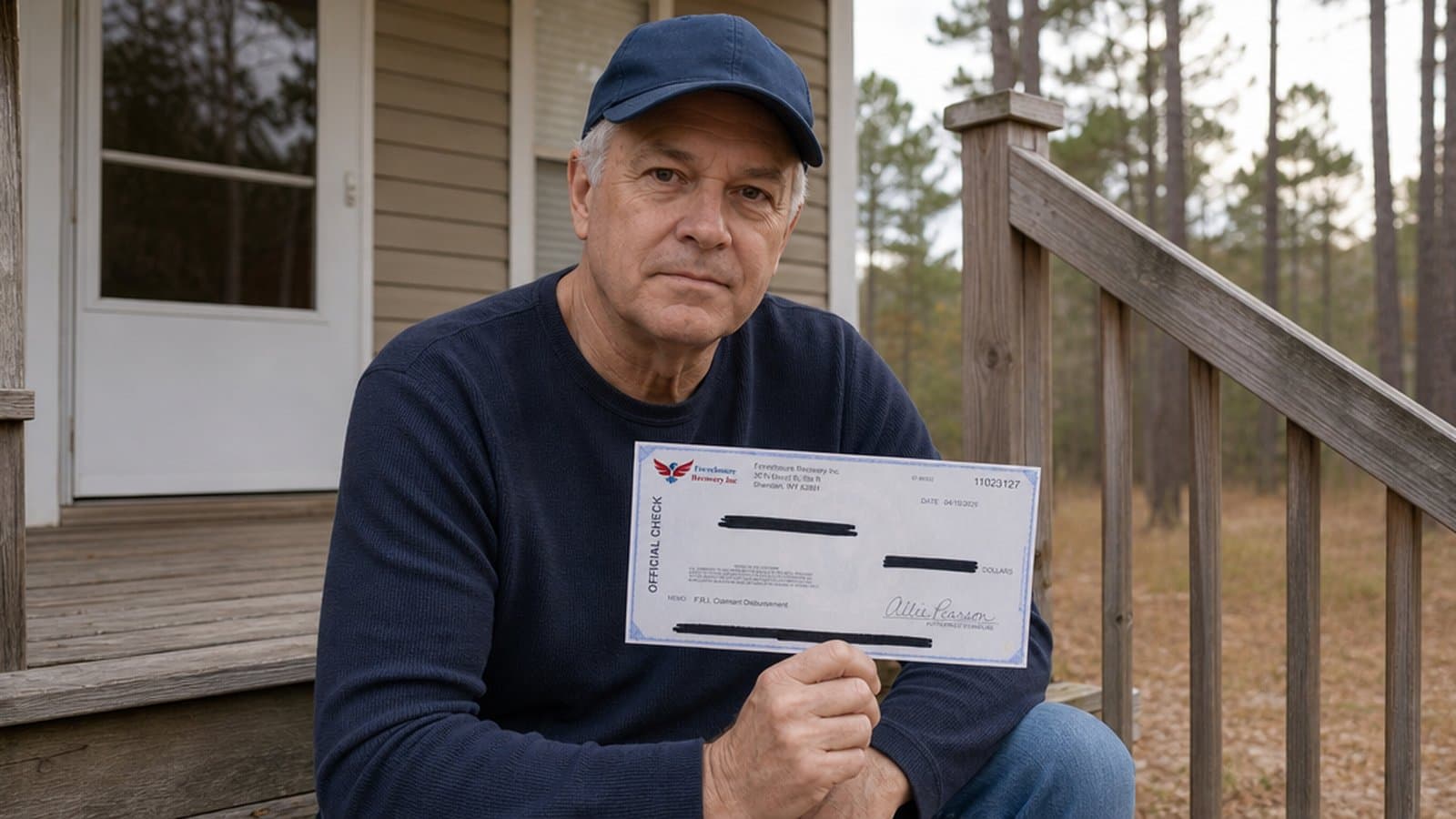
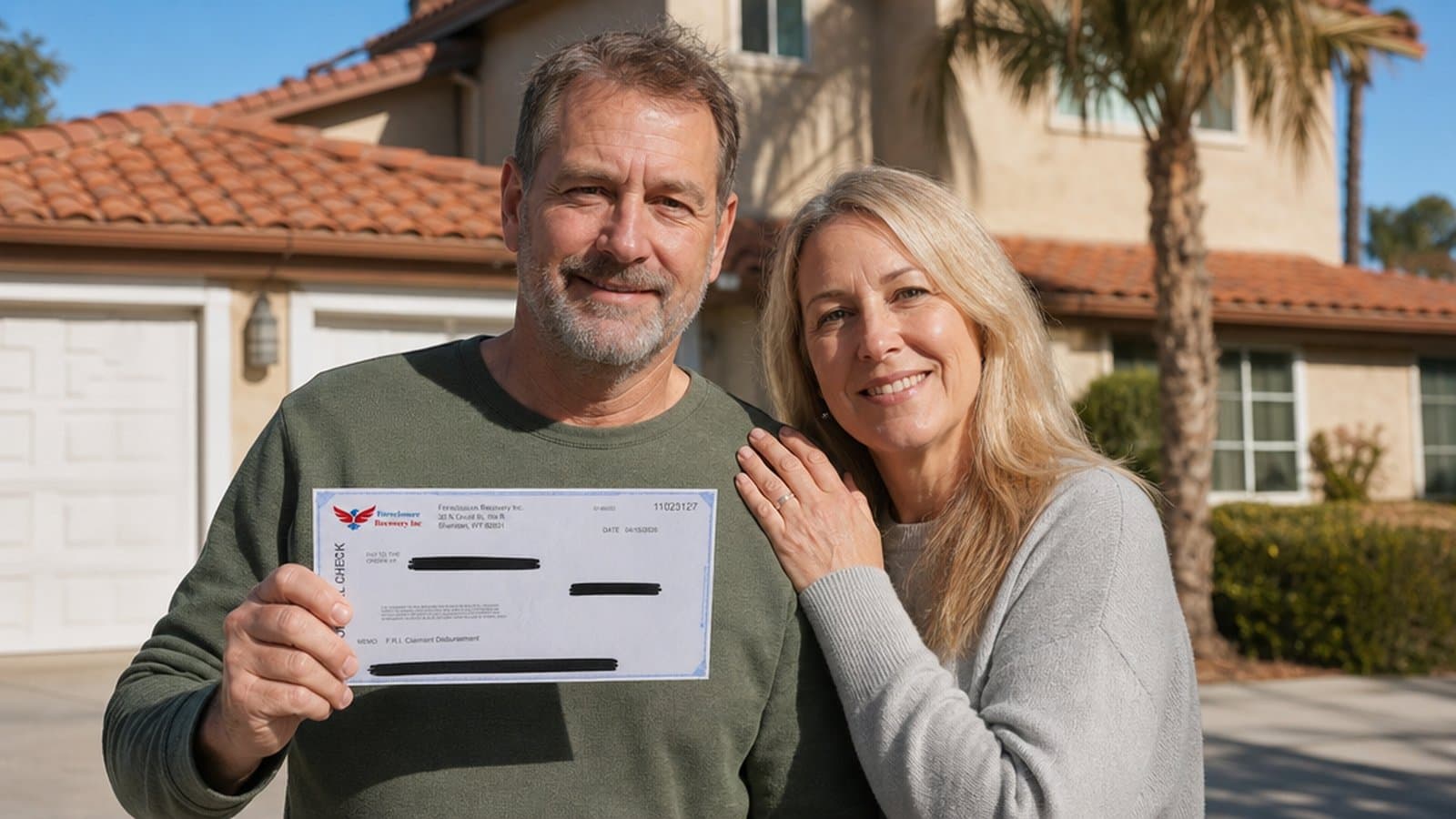
California Couple Gets $15,800 Back Two Years After Tax Sale
The short answer
California tax sales produce excess proceeds whenever the winning bid exceeds the taxes, penalties, and costs of the sale. The state holds those funds and pays them out only to parties who file a valid claim inside a short statutory window that runs from the recording of the tax deed. Mark and Lisa lost a rental property to a tax sale and assumed the matter was over. About $15,800 in excess proceeds remained. We reached them with roughly four months left on the clock and the claim paid out.
The property they had stopped thinking about
Mark and Lisa bought a small rental in the early 2000s. It cash flowed for years, then a long vacancy and a bad tenant turned it into a drain. They stopped putting money into it. The tax bill went unpaid, the notices went to a mailing address they had changed after a move, and eventually the property went to a tax sale.
They knew they had lost it. What they did not know is that the sale had produced money. The delinquency and costs came to roughly $19,000. The property sold for just under $35,000. The difference, about $15,800, went into a holding account with no claimant attached.
California runs a tighter clock than most states
Every state sets its own deadline for excess proceeds. California's is on the short end, and it starts running from the recording of the tax deed rather than from the sale itself. Former owners routinely find out about the money after the window has already closed, and once it closes there is no appeal to make.
California also regulates what a recovery firm may charge on these claims and puts specific conditions on the agreements themselves. That is a reasonable rule and it exists because the short window created an opening for people who charge a lot for very little work. If anyone approaches you about a California excess proceeds claim, ask them to point you to the fee limit in writing before you sign.
Finding them with four months left
Our data flagged the surplus and the missing claimant. Skip tracing produced a current address about 90 miles from the property and a working mobile number. Mark answered, listened to about fifteen seconds, and said they had already been called about it by two other outfits.
That is common in California. The short window plus a public record means the same handful of files get worked by a lot of people at once. What moved the conversation forward was showing the arithmetic and the deadline date in the same email, so they could see how little time was left to argue about who was calling.
What the claim needed
- A claim form filed within the statutory window, signed by both owners of record
- Certified copies of the tax deed and the sale accounting
- Deed history establishing that Mark and Lisa held title on the date of the sale
- Photo identification for both spouses
- A title search for recorded interests with a claim ahead of theirs
- A written fee agreement conforming to California's limits
The lien that took a bite
The title search turned up a recorded judgment from a contractor dispute in 2016. It attached to the property and therefore to the proceeds. About $2,400 came off the top to satisfy it before anything reached Mark and Lisa.
We flag this in every case study for a reason. A surplus figure in a public record is a gross number. What a claimant actually receives depends on what else is recorded, and finding out at the end is a bad way to find out.
Timeline
| Stage | Elapsed time |
|---|---|
| Excess proceeds identified | Day 0 |
| Owners located and contacted | Day 6 |
| Agreement signed | Day 15 |
| Title search returned with one judgment | Day 29 |
| Claim filed inside the statutory window | Day 34 |
| Review and lien satisfaction | Day 34 to Day 158 |
| Funds disbursed | Day 171 |
What investors should take from this
Owners of investment property are more likely than homeowners to lose a property to a tax sale and less likely to hear about the surplus afterward. The mailing address on file is often an old management company, an old office, or a property that has since been sold. There is no lender escrowing taxes and no servicer sending statements.
If you have written off a property that went to a tax sale in the last couple of years, look at the sale price before you assume there is nothing there. It costs nothing to check the record, and in California it costs everything to check it late.
We can pull the numbers with you. Call (888) 545-8007.
Names and identifying details in this account have been changed to protect client privacy. Statutory deadlines and fee limits change, so confirm current requirements before you rely on any of them. Every claim is different, and the outcome of one recovery does not predict the outcome of another. Foreclosure Recovery Inc. is an asset recovery administration service and does not provide legal or tax advice.
Frequently asked questions
How long do I have to claim excess proceeds after a California tax sale?
California allows a limited window that runs from the recording of the tax deed rather than from the sale date, and it is shorter than in most states. Confirm the exact deadline for your file before doing anything else, because a late claim cannot be revived.
Who is eligible to claim California excess proceeds?
Parties of record with an interest in the property at the time of the sale, which includes the former owner and recorded lien holders. Lien holders are generally paid in priority order before the former owner receives anything.
Does California limit what a recovery firm can charge?
Yes. California places limits on fees for excess proceeds recovery and puts conditions on when such agreements can be entered into. Ask any firm that contacts you to show you the applicable limit in writing before you sign.
Can I claim excess proceeds on an investment property?
Yes. The claim follows ownership of record, not whether the property was a primary residence. Investors frequently miss these funds because the notice went to a mailing address that is no longer current.
What if more than one person claims the same excess proceeds?
Competing claims are resolved by priority of interest, and a contested file takes considerably longer than an uncontested one. A title search before filing tells you in advance whether you are likely to face competition.
Think there may be surplus funds in your name?
We check the sale record at no cost and we will tell you plainly if there is nothing there. No fee is owed unless funds are recovered.
(888) 545-8007