Live Support
 Did you see us on the news?
Estate Recovery: Heirs Collect $89,000 from Deceased Parent's Foreclosure
The short answer
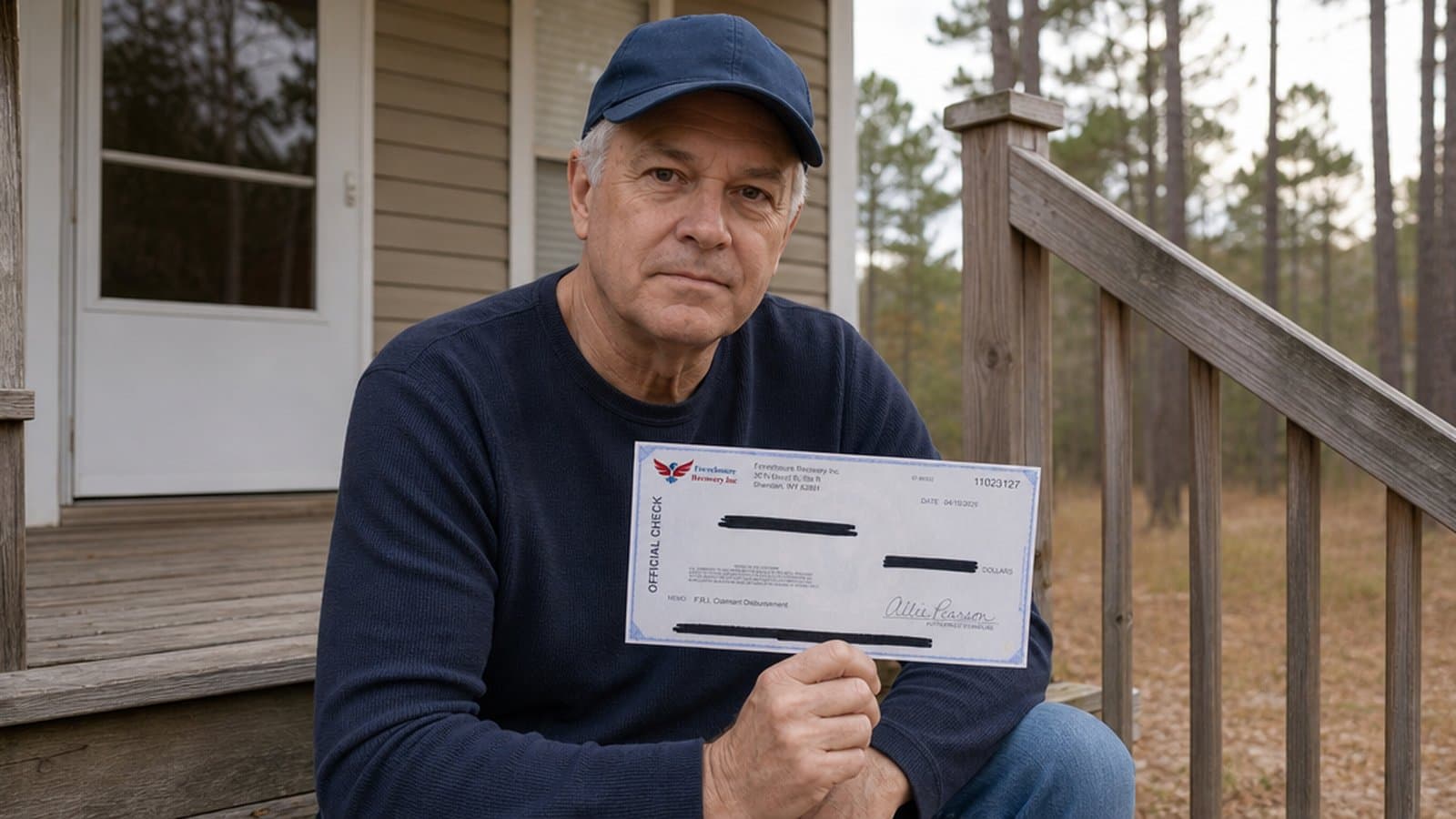
Surplus funds do not die with the owner. When a foreclosed property belonged to someone who has since passed away, the excess proceeds become an asset of the estate, and the heirs or the personal representative can claim them. Robert's home sold at foreclosure eighteen months before his death. Nearly $89,000 in surplus sat unclaimed while his two children settled the rest of his affairs, unaware it existed. The claim took longer than a standard file because probate authority had to be established first, and it paid in full.
An asset nobody knew to look for
Robert lost his house in a mortgage foreclosure after a long illness ate through his savings. He moved in with his daughter and died about a year and a half later. His children handled what estates usually involve: a car, a modest bank account, some personal property, a small life insurance policy. Nothing pointed at the foreclosed house, because in their minds the house was a closed chapter and a painful one.
The house had sold for $89,000 more than the debt against it. Robert had owned it since the early nineties, the balance was low by the end, and the sale price reflected two decades of appreciation in that market. The state was holding the money the entire time.
Why estate files stall
A living claimant proves two things: that they are who they say they are, and that they owned the property. An estate claim has to prove a third thing, which is that the person filing has legal authority to act for the deceased owner. That third proof is where these files bog down.
Robert's estate had never been opened. There was no will anyone could find, no personal representative appointed, and no probate case number. His children had divided his belongings informally, which families do all the time and which works fine right up until an institution needs to know who is legally in charge.
What had to happen before the claim could even be filed
- 1A probate case was opened for Robert's estate.
- 2His daughter petitioned to be appointed personal representative, with her brother consenting in writing.
- 3Letters of administration were issued, giving her documented authority to act for the estate.
- 4The heirs were identified on the record so that no unknown claimant could surface later.
- 5Only then could the surplus claim be filed, with the letters attached as the authority exhibit.
That sequence added roughly five months to the file. It was unavoidable. No reviewing office is going to release $89,000 to somebody who says they are the son of the owner without documentation that would hold up if a second son appeared next year.
The sibling question
Two heirs made this simpler than most. When there are five siblings scattered across four states and one of them is not speaking to the others, an estate surplus claim can take years or fail outright. Every heir has an interest, and a reviewing office would rather sit on the money than pay it into a family dispute.
We handled it the way we always suggest. Both heirs signed the same engagement, both consented to the appointment, and the disbursement instruction was written into the file up front so there was no argument at the end about who received what. Getting agreement in writing while everyone is calm is far easier than getting it after a check exists.
The document package
- Certified death certificate for the former owner
- Letters of administration naming the personal representative
- Certified copies of the foreclosure sale documents and the final accounting
- Deed history proving Robert held title on the sale date
- Photo identification for the personal representative
- A notarized claim signed in the representative capacity, not the personal capacity
- A title search confirming no recorded interest outranked the estate
- Written consent from the second heir
One technical point that sinks a lot of do-it-yourself estate claims. The claim must be signed by the representative acting for the estate, not by an heir signing personally. A claim signed the wrong way gets rejected, and the rejection usually arrives weeks later with a single line of explanation.
The deadline problem for estates
Claim windows run from the sale date. They do not pause because the owner died, and they do not restart when an estate is finally opened. Robert died a year and a half after the sale, and the window in that state ran two years. By the time the family understood what was there, they had a matter of months to open probate, get letters issued, and file.
We have watched estate claims fail on this alone. The money was clearly owed, the heirs were clearly entitled, and the calendar had already closed the door. If a parent lost a home to foreclosure in the last few years, check for a surplus before you do anything else with the estate.
Timeline
| Stage | Elapsed time |
|---|---|
| Surplus identified, heirs located | Day 0 |
| First contact and agreement signed | Day 21 |
| Probate petition filed | Day 44 |
| Letters of administration issued | Day 173 |
| Title search completed | Day 186 |
| Surplus claim filed | Day 192 |
| Funds disbursed to the estate | Day 301 |
Ten months. Most of it was probate, not the surplus claim. That ratio is typical for estate files and it is worth understanding before you start, because the waiting feels like inaction when it is actually the slowest institution in the chain doing its job.
If a parent lost a home to foreclosure
- 1Find the sale date and the final sale price. Both are public record.
- 2Compare the sale price to the payoff on the debt at the time of sale.
- 3Check the claim deadline in the state where the property sold, and count the months you have left.
- 4Determine whether an estate has been opened, and who has authority to act.
- 5File as the estate, with letters attached, and with every heir accounted for.
If that list looks like more than you want to take on while settling a parent's affairs, we do this work every day. Call (888) 545-8007 and we will look at the record with you before you commit to anything.
Names and identifying details in this account have been changed to protect client privacy. Every claim is different, and the outcome of one recovery does not predict the outcome of another. Foreclosure Recovery Inc. is an asset recovery administration service and does not provide legal or tax advice.
Frequently asked questions
Can heirs claim foreclosure surplus funds after the owner dies?
Yes. Surplus funds are an asset of the deceased owner's estate. The personal representative appointed through probate can file the claim, and the proceeds are distributed to the heirs according to the will or to state intestacy law.
Do I need to open probate to claim excess proceeds for a deceased parent?
Usually yes, because the reviewing office needs documented authority before releasing funds. Some states offer a small estate affidavit process for amounts under a set threshold, which can be faster, but larger surpluses generally require formal letters of administration.
Does the claim deadline extend because the owner died?
Generally no. The window runs from the sale date and keeps running regardless of a death, so an estate can lose the right to claim while probate is still pending. Check the deadline first and work backward from it.
What if the heirs disagree about the claim?
Disputes among heirs will stall or stop a disbursement, because the office holding the money will not step into a family conflict. Written consent from every heir before filing is the practical way to keep the claim moving.
Are recovered surplus funds taxable to the estate?
That depends on the estate's circumstances and on how the original property was treated for tax purposes. Foreclosure Recovery Inc. does not provide tax advice, and an estate receiving a significant recovery should speak with a tax professional.
Think there may be surplus funds in your name?
We check the sale record at no cost and we will tell you plainly if there is nothing there. No fee is owed unless funds are recovered.
(888) 545-8007